
Mold is a serious health hazard, and once it makes its way into a home’s AC system, spores carrying mycotoxins could end up being directed into the HVAC ductwork and distributed throughout the whole house. Unfortunately, mold can be hard to detect, and in the humid environment of an air conditioner unit, it will quickly grow and spread.
Luckily, there are a few telltale signs of mold growth that can help you identify and eradicate mold before it spreads out of control.
Be on the lookout for the following signs of mold growth and contact Spoor’s Heating & Air Conditioning today to schedule air conditioner service or enroll in our HVAC preventative maintenance program!
Musty Odors
Mold has an incredibly distinctive, pungent odor. When a home begins to smell old, stale, and unpleasant, there’s a good chance those smells originate from mold that’s grown within a household’s air ducts. In particular, if the unpleasant smell is most noticeable after the AC system kicks on, the mold’s existence is all but confirmed. For help clearing mold out of air ducts, schedule maintenance from one of our HVAC technicians.
Visible Signs
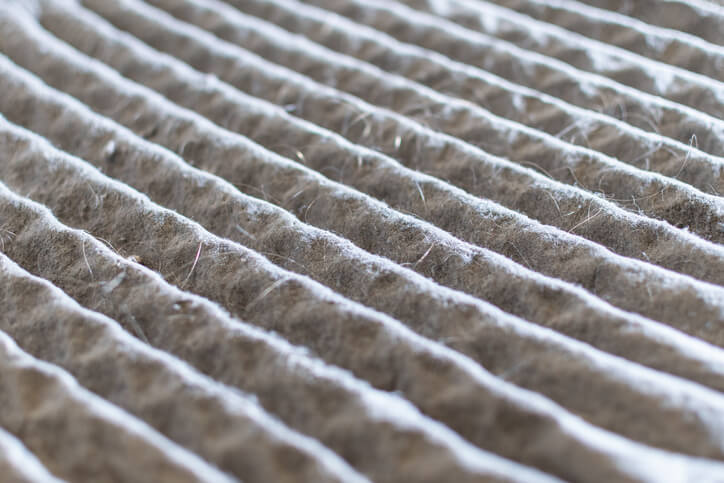
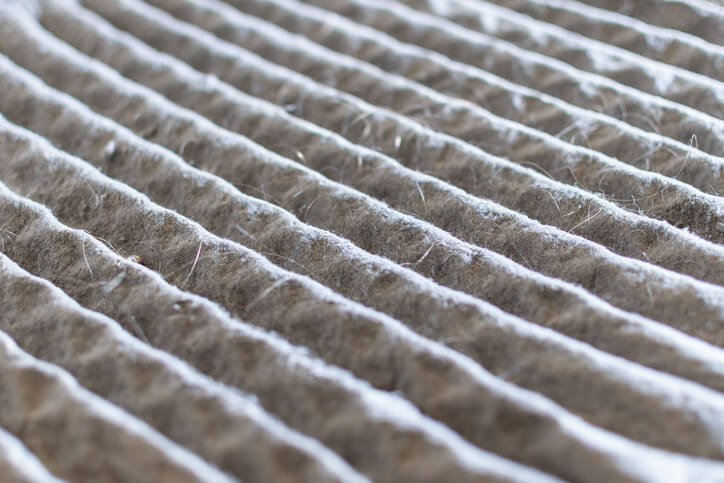
Not all kinds of mold release an odor, so performing regular visual inspections of your AC’s components serves as a crucial measure in the prevention of an outbreak. Though the appearance of mold will vary depending on what type it is, it shouldn’t be too hard to identify. Watch for green, yellow, black, or white stains developing on your AC system’s walls and air filter that display a fuzzy, velvety texture. Check for signs anywhere moisture collects in the HVAC system, such as the drain pan, evaporator coil, or insulation liner. These areas will often have mold growing in plain view, and if upon your inspection, any mold is discovered, schedule HVAC maintenance so that we can safely clear it out.
Respiratory Issues
Regularly breathing in the microscopic spores released from mold can adversely affect one’s health. These effects initially present themselves as basic, allergy-like symptoms, such as coughing, sneezing, irritated eyes, and a runny nose. But, following prolonged exposure, it can develop into more severe conditions, including nausea, fatigue, vomiting, nose bleeds, and skin irritation. This is because as the home’s indoor air quality worsens, a person’s respiratory system will suffer from a lack of contaminant-free air. Even if it’s allergy season, and especially when it’s not, inspect the AC system for mold growth if anyone in the home begins showing signs of allergies. Better to be safe than risk a mold infestation.
What Causes Mold Growth In An AC System?
Lamentably, AC units present an ideal environment for mold growth. They provide ample access to moisture and dust for mold to feed off of, making it easy for the mold to grow, develop spores, and spread. In particular, it’s AC systems that aren’t routinely maintained and cleaned that face the highest risk of mold infestation. Not to mention, unchanged air filters can quickly become breeding grounds for airborne allergens.
Prevent mold growth by routinely changing the air filter, regularly inspecting the unit, and remediating any leaks around the unit as quickly as possible, or have one of our technicians do all of that for you by signing up for routine HVAC maintenance.